
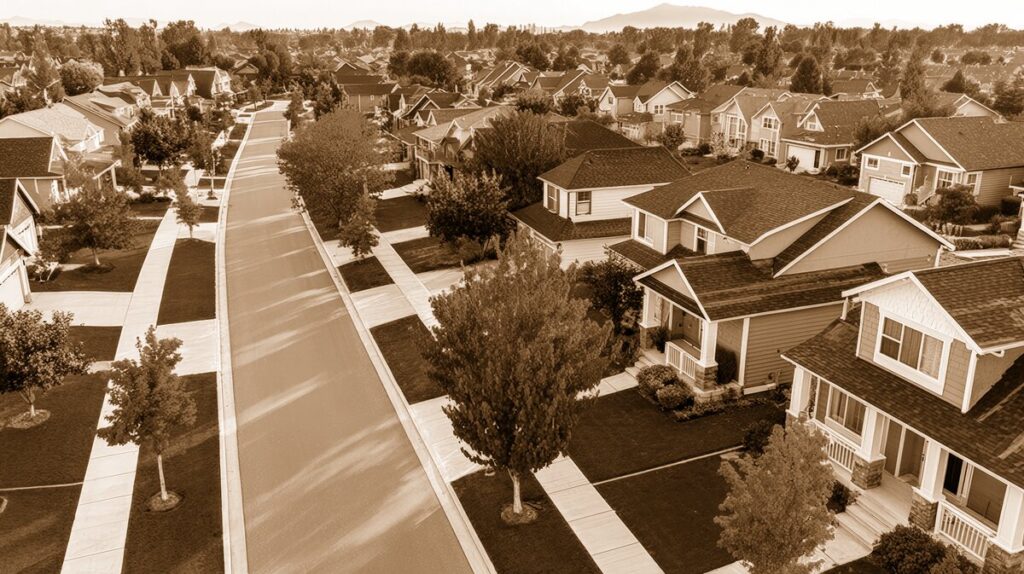
Nestled in the western heart of Hollywood, Florida, the 441 Corridor is more than just a stretch of highway—it's a living, breathing archive of community, resilience, and evolution. From its origins as a rural route to its present-day reputation as a diverse and vibrant neighborhood, the 441 Corridor functions as a thread connecting Hollywood’s storied past with its energetic future.
Origins of the 441 Corridor
The 441 Corridor gets its distinct name from U.S. Route 441, also known as State Road 7, which carves a north-south path through the urban tapestry of Hollywood. In the early days, this was merely a congested dirt road running through farmland and pine scrub, acting as a vital link from Miami northward through Florida’s interior. As Hollywood itself blossomed from Joseph W. Young’s ambitious city planning in the 1920s, so too did communities along the 441 transform from rural stops to bustling neighborhoods.
How the Neighborhood Got Its Name
Unlike many districts named after founders or native flora, the 441 Corridor carries the practical, unadorned moniker of the highway that runs through its core. The “Corridor” portion speaks to its essential role as a connector—binding together diverse residential areas, commercial sites, and local culture. To longtime residents, simply referencing “the Corridor” evokes memories of corner stores, Sunday market stalls, and the rhythmic bustle of daily life.
Key Historical Milestones
- 1920s–1940s: As the City of Hollywood began making a name for itself, ranches and modest homes cropped up along the then-remote 441. Grocers, barbers, and mechanics served the growing community, many drawing life from the steady stream of highway travelers.
- Post-War Boom: The decades following World War II brought major infrastructure expansion. The creation of neighborhoods like Boulevard Heights and Driftwood in the vicinity fueled population growth. New city parks—such as the serene Zinkil Park—were developed to foster family life and recreation.
- Cultural Diversity: By the 1970s and '80s, a vibrant wave of newcomers from the Caribbean, Latin America, and elsewhere enriched the corridor’s cultural heritage. Mom-and-pop restaurants serving everything from jerk chicken to Cuban coffee soon bordered long-standing pancake houses and diners.
- Urban Renewal: The 1990s and 2000s saw renewed investment and city initiatives to beautify and modernize the corridor. New shopping plazas rose where old motels once stood, while murals and community gardens began popping up as testaments to local pride.
Notable Landmarks and Institutions
The 441 Corridor is home to more than just memories—it boasts landmarks new and old that root its heritage.
- Zinkil Park (5451 Washington St): Once an open field where local children played football, Zinkil Park today is a gathering point for families, with playgrounds shaded by oaks and picnic tables that fill up on weekends.
- Driftwood Community Center (3000 N 69th Ave): Serving as a hub for the community, the Driftwood Center hosts everything from after-school programs to cultural festivals celebrating Hollywood’s diversity.
- Classic Churches and Temples: From the steadfast Driftwood Church of Christ to diverse temples and synagogues, the corridor’s houses of worship offer not only spiritual solace but also a glimpse into decades of changing populations and traditions.
- Historic Motels and Cafés: Some vintage motels and retro diners, such as the well-known Jack’s Hollywood Diner, still stand as reminders of the corridor’s heyday as a travel traveler’s rest stop.
Streets That Tell a Story
As you walk or drive along the Corridor, each side street unfolds another chapter:
- Washington Street: Once a main thoroughfare for early settlers, it now showcases a blend of suburban life and small businesses—many owned by local families for generations.
- Taft Street: This east-west artery intersects the Corridor and hosts a lively mix of bakeries, salons, and the occasional jazz night at a neighborhood café.
- Johnson Street and Pembroke Road: These streets frame the southern and northern stretches, acting as everyday routes as well as hosts to frequent local festivals and parades.
The Evolving Community Spirit
Perhaps the greatest strength of the 441 Corridor lies in its people—neighbors who support one another, welcome new arrivals, and maintain traditions while embracing change.
- Community Markets: Pop-up farmers’ markets have become weekly events, where you’re as likely to find homemade empanadas as freshly grown mangoes, sold by friendly faces who remember your name.
- Murals and Art Projects: In recent years, neighborhood initiatives have encouraged artists to turn the walls of local businesses into colorful testaments to the area’s history—depicting everything from vintage cars and fruit stands to multicultural family portraits.
- Youth and Education: The area’s schools, like Driftwood Middle School and Boulevard Heights Elementary, reflect the corridor’s ongoing investment in its future. Yearly community clean-ups, reading nights, and art fairs ensure children remain at the heart of local pride.
Looking to the Future
While traffic on 441 may move a bit faster these days, the sense of place that defines the 441 Corridor remains strong. New families continue to settle on quiet blocks, retail spaces adapt to serve eclectic tastes, and public spaces pulse with laughter and music during festivals.
For those who know its story, the 441 Corridor is not just a neighborhood — it’s a living chronicle of Hollywood’s ambition, complexity, and warmth. Here, every corner has a story, every street ties generations together, and every sunset over the corridor reminds residents that history is being made every day.
Whether you are a newcomer or a lifelong resident, the 441 Corridor extends a warm, enduring welcome and an invitation to become part of its ongoing legacy.